TV Mounting
Frame TV Installation: Enhancing Style Without Sacrificing Function
April 17, 2026

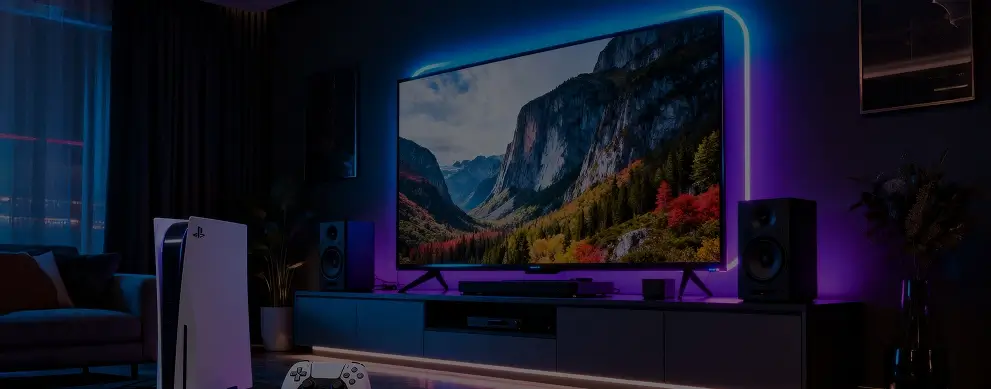

Frame tv installation is a different kind of project than mounting a standard television. A frame TV is designed to look like a piece of art when it is not playing content, which means the installation needs to match that intention. If the screen hangs crooked, cables dangle, or the gap between the TV and the wall is too wide, the illusion breaks.
These TVs sit flush against the wall and display artwork or photography when powered down. The result, when installed correctly, is a screen that blends into your decor so naturally that guests do not realize it is a television until you turn it on.
Why Frame TVs Need a Different Approach
Standard TV mounts are designed to hold a screen securely and provide tilt or swivel functionality. Frame TVs prioritize something else entirely: looking like a picture frame hanging flat on the wall.
Most frame TVs ship with a slim-fit wall mount or a no-gap mount designed specifically for that model. These mounts pull the TV tight against the wall with minimal clearance, creating the flush, artwork-like appearance the display is designed for. Using a generic mount instead of the one designed for the TV usually creates a visible gap that ruins the aesthetic.
The mounting hardware is only part of it. Cable management, power access, and positioning all need to be handled with more precision than a typical installation because every detail is visible when the TV sits flat and frameless against a clean wall.
Choosing the Right Wall and Position
Where you hang a frame TV matters more than a standard screen because it serves a dual purpose as both a television and a decorative element.
Position it where you would naturally hang a large piece of art. That often means centering it on a prominent wall at eye level, roughly 40 to 42 inches from the floor for seated viewing. In hallways or entryways where people stand, raise it to 57 to 60 inches.
Frame TVs look best on flat, solid-colored walls where they contrast slightly with the background. Busy wallpaper or heavy texture competes with art mode. Standard drywall over wood studs is the ideal surface. Plaster, brick, or uneven surfaces may require additional preparation to achieve a flush fit.
The Slim-Fit Mount Installation
A frame tv installation using the manufacturer's slim-fit mount follows a specific process designed around that flush fit.
Start by locating two studs at your planned mounting height. Mark the centers. The slim-fit bracket is typically a flat rail or plate that screws directly into the studs. Use a level to confirm the bracket is perfectly horizontal before drilling.
Even a slight angle is more visible on a frame TV than on a standard mount because the thin bezel and flush positioning leave no room to hide imperfections.
Drive the mounting screws into the studs through the bracket. The hardware that ships with the TV is sized specifically for this bracket, so use what is included rather than substituting. Once the bracket is secure, the TV hooks onto it and pulls tight against the wall using built-in clips or magnets depending on the model.
Test the fit before connecting any cables. The TV should sit flat against the wall with even spacing on all sides. If one corner sticks out or the screen tilts, adjust the bracket before proceeding.
Cable Management for a Flush Look
Cable management makes or breaks any frame tv installation. The entire design philosophy is a clean, art-like appearance, and visible cables destroy that instantly.
Most frame TVs use a single slim cable that runs from the TV to an external connection box. This box houses all the HDMI ports and power input, and it sits near your media console or inside a cabinet. The single thin cable is much easier to conceal than the bundle a standard TV requires.
Route this cable through the wall for the cleanest result. Cut a small hole behind the TV and another near the connection box. Fish the cable through the wall cavity. Because this is low-voltage signal wiring, it can run inside walls in most areas.
Power is trickier. The connection box needs an outlet nearby, and the TV may need a separate power connection. A recessed outlet behind the TV keeps the plug hidden and the screen flush. Running a standard power cord inside the wall is not permitted, so a code-compliant in-wall power kit handles this properly.
Understanding how to hide TV wires is especially important for frame TVs where even a small exposed cable compromises the design.
Art Mode and Display Settings
Once mounted and wired, configuring art mode brings the frame tv installation together visually.
Art mode displays artwork, photographs, or custom images when the TV is not actively playing content. Most frame TVs include a built-in library and allow you to upload your own images. The display adjusts brightness based on ambient light, and a motion sensor turns the screen off when no one is in the room.
Customizing the digital mat and frame border lets you match the display to your decor. Different mat colors and frame styles complement your wall color and furniture. For rooms with a wall-mounted setup and controlled lighting, art mode blends the screen seamlessly into the wall during the day and transforms it into an entertainment display at night.
Accessory Bezels and Finishing Touches
Many frame TVs offer interchangeable bezels that snap onto the edges of the screen to change its appearance. These come in different materials and finishes, from modern metal to classic wood tones, and they make the TV look even more like a traditional framed piece of art.
If you plan to use a bezel, factor it into your installation from the start. The bezel adds a small amount of width and depth to the TV, which can affect how flush it sits and how the edges align with the wall. Install the bezel after the TV is mounted and all cables are concealed so you can confirm the final look before committing.
The bezel choice should complement the room. A walnut or teak finish works well in spaces with warm wood furniture. A black or white modern bezel fits minimalist and contemporary interiors. Matching the bezel to the room is the finishing detail that makes the installation feel intentional.
When to Hire a Professional
A frame tv installation has a lower margin for error than a standard mount. The flush fit, the precise leveling, and the cable concealment all need to be right for the design to work as intended.
If your wall has studs in an awkward position, if you need electrical work for a recessed outlet, or if the cable path between the TV and the connection box is complicated, professional help ensures the result matches the premium feel of the TV itself.
The team at UrbanOrbits handles frame TV installations across Los Angeles, combining precise professional mounting with clean cable routing and art mode configuration.
A full-motion mount is not typically used for frame TVs since the flush aesthetic requires a slim-fit bracket, but the team advises on the right hardware for every situation. Getting every detail right in a single visit means the TV looks like it was always part of the room.
Frequently asked questions
Can I Use a Regular Mount for a Frame TV?

You can, but it defeats the purpose. A standard mount creates a gap between the TV and the wall that breaks the flush, art-like appearance. The slim-fit or no-gap mount designed for the TV keeps it tight against the surface and maintains the intended look.
How Do I Hide the Cable on a Frame TV?
Most frame TVs use a single slim cable to an external connection box. Route this cable through the wall for the cleanest result. Cut a hole behind the TV and another near the connection box location, then fish the cable through the cavity. For power, use a recessed outlet or in-wall power kit rather than running cords inside the wall.
Does Art Mode Use a Lot of Electricity?
Art mode uses significantly less power than active viewing because the screen runs at lower brightness and the display refreshes less frequently. A built-in motion sensor turns the screen off when no one is in the room, reducing consumption further. The energy cost of running art mode is minimal compared to standard TV use.
Can I Hang a Frame TV on Brick or Plaster?
Yes, but the installation process changes. Brick requires masonry anchors and a hammer drill. Plaster needs careful drilling to avoid cracking. Both surfaces can support a frame TV securely with the right hardware, though achieving a perfectly flush fit may require additional shimming or surface preparation.
Is Frame TV Installation More Expensive Than a Standard Mount?
It can be slightly more because of the precision required for the flush fit, the cable concealment needs, and the potential electrical work for a recessed outlet. The difference reflects the extra care involved in making the TV look like a piece of art rather than just a screen on the wall.
A proper frame tv installation is worth the investment for homeowners who chose this style of display specifically for its design impact.